


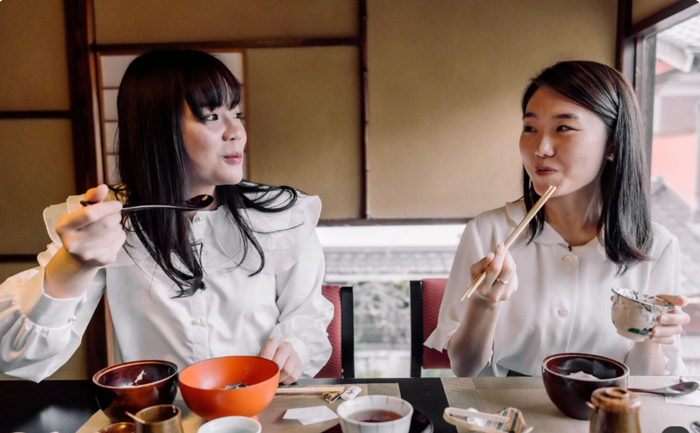
Restaurants in Osaka (this is commonly referred to as ร้านอาหาร โอซาก้า in Thai) showcase Japanese hospitality through thoughtful service, attention to detail, and an understanding that dining should feel welcoming rather than complicated. From the way guests are greeted to the careful timing of each course, these experiences reflect omotenashi, Japan’s tradition of anticipating guests’ needs. For travelers, a memorable meal can reveal just as much about local culture as visiting a famous landmark.
Hospitality Begins Before the First Bite
Picture entering a restaurant after wandering through Osaka’s lively shopping streets. Before you even examine the menu, someone welcomes you, guides you to your seat, and makes sure you feel comfortable.
These seemingly ordinary gestures carry considerable meaning.
Japanese hospitality is not necessarily about elaborate greetings or constant attention. Often, it involves recognizing when guests need assistance and when they would prefer uninterrupted conversation.
A server might explain an unfamiliar ingredient, offer guidance on ordering, or quietly adjust the pace of service.
The goal is to make visitors feel considered without making the experience overly formal.
The Quiet Language of Food Presentation
In Japanese dining, presentation communicates care long before anyone tastes the food.
Consider a beautifully arranged plate where the ingredients, colors, and serving dishes complement one another. The arrangement might reflect the season or highlight the natural appearance of the ingredients.
Even small choices can influence the dining experience.
At a teppanyaki counter, guests may observe the chef’s precision as ingredients are prepared directly before them. In a more traditional setting, carefully selected tableware can contribute to the atmosphere.
These details encourage diners to appreciate the craftsmanship behind their meals rather than simply focusing on what arrives at the table.
What Can Travelers Learn From Osaka’s Dining Customs?
Visitors do not need to understand every Japanese custom to enjoy a restaurant experience.
However, recognizing a few traditions can make dining more meaningful:
- The welcome: Guests may hear irasshaimase, a customary greeting when entering an establishment.
- Before eating: Saying itadakimasu expresses appreciation for the meal.
- Thoughtful service: Staff may provide assistance without expecting tips, as tipping is generally not customary in Japan.
- After dining: Gochisosama deshita is a polite way to express gratitude for the food.
These customs offer visitors a glimpse into the respect and consideration associated with Japanese dining culture.
Osaka Adds Its Own Personality to Hospitality
Osaka is known for its energetic atmosphere and enthusiasm for food.
While Japanese hospitality often emphasizes careful service, Osaka’s dining scene can also feel lively, approachable, and conversational.
A casual meal may involve friendly exchanges, while an elegant restaurant might express hospitality through attentive pacing and carefully coordinated service.
Neither approach is necessarily better.
What makes Osaka interesting is the opportunity to experience different interpretations of hospitality within the same city.
Experience Japanese Hospitality Around the Table
A memorable restaurant visit is rarely defined by food alone. The welcome, atmosphere, and small gestures throughout the meal often become part of the travel story.
At Swissôtel Nankai Osaka, guests can explore a variety of dining experiences while enjoying the convenience of a central Namba location. Discover the hotel’s restaurants and bars, and contact Swissôtel Nankai Osaka to plan a dining experience during your next visit.