
Key Takeaways
- Automating HR tasks enables startups to reallocate resources to strategic initiatives.
- Data-driven insights strengthen recruitment efforts and retention strategies.
- AI in HR tools accelerates decision-making and boosts employee engagement.
- Modern HR systems help ensure compliance and mitigate legal risks.
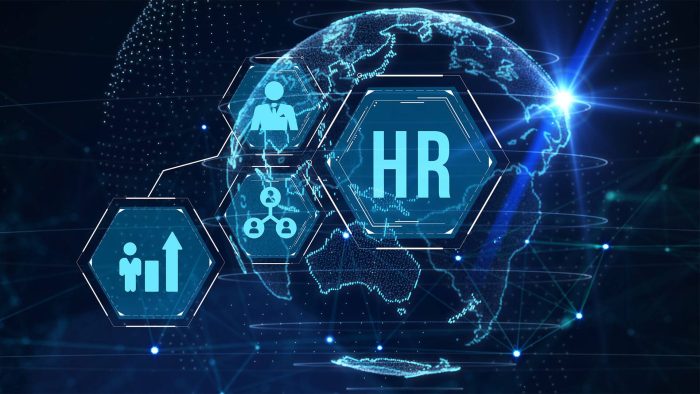
In today’s dynamic marketplace, startups face relentless pressure to achieve scalability and efficiency, often with limited manpower and resources. Modern human resources (HR) technology has become a game-changer, offering digital solutions that streamline internal processes and support rapid growth. Startups increasingly rely on HR software for startups to automate routine operations, nurture talent, and maintain a competitive edge as they navigate early-stage challenges.
The right HR technology platform empowers startups to improve employee engagement and satisfaction while reducing the administrative burden on lean teams. This capability to digitize HR tasks fosters a more agile, responsive work environment, freeing founders and managers to focus on broader business objectives rather than repetitive processes. As new technologies like AI become more integrated, the strategic value of HR platforms continues to expand, addressing everything from recruitment to compliance and beyond.
Automating Administrative Tasks
Resource-strapped startups often struggle with time-consuming administrative tasks, which can divert focus from core business objectives. Automated HR solutions handle repetitive jobs such as payroll, benefits enrollment, and time tracking. By leveraging automation, startups minimize the risk of costly errors and reduce manual workload for HR teams. This approach is especially beneficial during periods of rapid scaling, allowing companies to onboard and support new hires efficiently without sacrificing quality or compliance.
Enhancing Talent Acquisition and Retention
Recruiting and retaining skilled employees is a make-or-break factor for startup growth. Modern HR platforms provide actionable data that informs every stage of the hiring process, from sourcing candidates to evaluating cultural fit. Tools such as applicant tracking systems and AI-driven candidate matching streamline the recruitment pipeline and shorten time-to-hire. Ongoing performance management and personalized learning paths not only drive productivity but also improve engagement and loyalty among team members.
Integrating Artificial Intelligence
The incorporation of artificial intelligence into HR processes is changing how startups anticipate staffing needs and oversee personnel. AI-driven analytics help identify patterns in employee behavior, forecast attrition, and highlight areas needing attention. This move toward proactive talent management enables quick action on workforce issues and fosters a solutions-focused company culture. AI also impacts HR tasks such as sentiment analysis, virtual onboarding, and automated feedback, helping startups sustain high-performance work environments.
Supporting Compliance and Reducing Risks
Staying abreast of employment regulations and labor standards is a complex mandate for any business, but it can be especially daunting for startups with limited legal expertise. HR technology helps mitigate compliance risks by updating policies in real-time to reflect changes in local, state, and federal guidelines. Automated record-keeping and audit-ready documentation ensure that startups have the necessary proof of compliance, reducing exposure to potential legal disputes.
Facilitating Remote Work and Collaboration
The shift toward remote and hybrid work models has made cloud-based HR tools indispensable for startups. These platforms provide digital workspaces where teams can communicate, access HR documents, and collaborate in real time regardless of geographic location. The result is a more connected and productive environment that widens a startup’s talent pool and enhances organizational resilience. With seamless onboarding and digital communication tools, startups can operate flexibly and scale globally.
Leveraging Data for Strategic Decision-Making
Data analytics built into HR platforms empower startups to make more informed, evidence-based decisions. From tracking productivity to measuring engagement and identifying skill gaps, these insights enable leaders to align workforce development with business objectives. Over time, this data-driven approach supports smarter budgeting, effective succession planning, and a culture of continuous improvement that propels long-term success.
Expanding the HR Tech Ecosystem for Startups
As the adoption of HR technology accelerates, a vibrant ecosystem of specialized tools and integrations has emerged, often catering specifically to the needs of growing startups. For example, platforms now offer modular solutions that let companies choose only what they need, such as payroll, employee wellness programs, or cultural engagement tracking, without committing to an entire suite. This flexibility enables startups to remain budget-conscious while scaling their operations. Additionally, APIs facilitate integration with third-party systems, making it easier to synchronize HR data with accounting, customer relationship management (CRM), and project management tools.
Peer-to-peer recognition apps and pulse survey tools further enrich HR platforms, allowing founders to nurture positive cultures even in geographically dispersed teams. Incorporating diversity, equity, and inclusion (DEI) modules helps startups promote fair hiring and advancement practices from day one, which has been shown to enhance innovation and performance. As remote work continues to normalize, startups can leverage global payroll platforms and compliance tools tailored for cross-border hiring, reducing friction in international expansion.
Continuous Improvement and Employee Development
Startups operate in a rapidly changing environment, making continuous learning and development essential for long-term viability. HR technologies enable the delivery of digital training, upskilling, and mentorship programs that are accessible on demand, ensuring employees are equipped with the latest knowledge and competencies. Gamified learning modules and performance analytics foster a culture of growth and curiosity, which is especially valuable in the startup world, where adaptability is a decisive competitive advantage.
Furthermore, employee self-service portals allow team members to access pay stubs and benefits information, and to update their personal data at their convenience. This self-service approach not only lessens the administrative burden on HR but also empowers employees to take charge of their work experience, leading to greater satisfaction and retention. With real-time feedback mechanisms and adaptable goal-tracking tools, startups can swiftly respond to challenges, celebrate achievements, and cultivate a transparent environment where every contributor sees their value.
Conclusion
Adopting modern HR technology is no longer optional for startups seeking to navigate growth with agility and foresight. By digitizing core HR processes, fostering talent development, ensuring compliance, and harnessing the power of AI, startups are better equipped to build strong organizational foundations and respond quickly to emerging challenges. Investing in advanced HR tools today sets the stage for resilient, sustainable success tomorrow.