


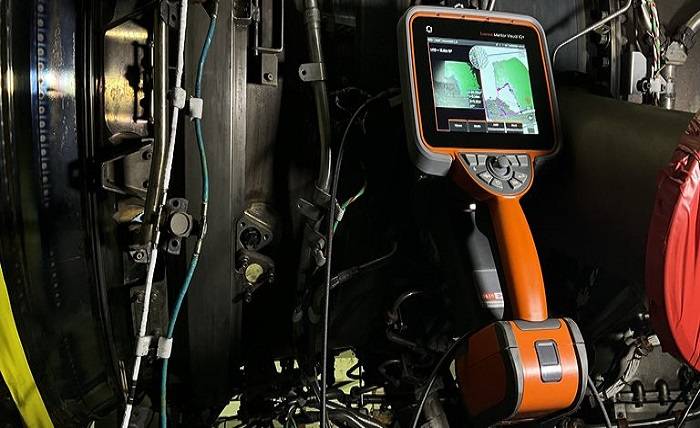
When it comes to peering into machinery and equipment tucked within tight, constrained areas, few tools can match the usefulness—or impressiveness—of video borescopes. These nifty devices have entirely transformed the game for industrial inspections, speeding up the process while also making it safer and more efficient. Let us delve deeper into what they are, their inner workings, and why they’re rapidly becoming indispensable across various industries.
Unmasking the Wonders of Video Borescopes: What Exactly Are They?
Glimpsing Within the Technology: How Video Borescopes Function
Fundamentally, video borescopes consist of flexible tubes housing a diminutive camera and integrated illumination, generally LEDs, at the terminal. Consider them sophisticated snake cameras able to slither into compact, awkward places devoid of needing to dismantle anything. They’re employed to peer inside machines, engines, pipes—name it—absent any messy disassembly.
When sliding the scope into position, the camera beams live video to a screen enabling you to see precisely what transpires within. Numerous modern models arrive with crystal clear HD imagery, digital magnification, and even autofocus. Some even allow snapping photos or recording footage for later review. And with novel features like Wi-Fi connectivity and cloud storage, sharing findings or maintaining records is easier than ever before.
A Deeper Gaze: Varieties of Video Borescopes and Their Employments
All borescopes do not function identically—there are a few distinct types, each befitting diverse assignments. Rigid borescopes, for instance, contain a linear, non-bending channel and are advantageous for scrutinizing direct routes such as engine compartments or straight pipelines. Flexible borescopes, in contrast, can twist and wind around turns and corners, which renders them ideal for cramped places like behind walls or profoundly inside HVAC frameworks.
There are also industrial-grade borescopes constructed to endure harsh environments—locations such as power plants, oil platforms, or construction sites. These versions regularly feature waterproofing, heat resistance, and distinctive optics for dim or dusty regions.
Then you’ve got robotic borescopes, which elevate things a level. These leverage robotic arms to aid guide the camera precisely where you necessitate it. They’re particularly advantageous in industries like aeronautics and automotive manufacturing, where precision is paramount and procuring a quality inspection can constitute an massive difference.
The Industrial Edge: Where Video Borescopes Shine Most Radiantly
Revolutionizing Maintenance: Proactive Examinations in Demanding Environments
Let’s face it—industrial settings can be unforgiving on machinery. Parts wear out, things corrode, and if you’re not watching carefully, a trivial issue can rapidly snowball into a major breakdown. That’s where video borescopes enter. They permit maintenance teams to check up on difficult-to-access components regularly, without having to shut everything down or take machines apart.
By detecting problems early, companies can fix things before they fail, which cuts down on surprise breakdowns and costly downtime. This is particularly significant in industries like manufacturing, aviation, and oil and gas, where a lone hour of downtime can cost a fortune.
Bridging the Gap: The Role of Video Borescopes in Safety Compliance
Staying compliant with important safety regulations is essential—it’s about more than just checking boxes. Ensuring employees stay secure and operations proceed efficiently is crucial. With video borescopes, inspectors can readily monitor aspects like corrosion, wear, or contamination within equipment without risking harm.
These tools allow regular safeguarding checks to be speedier and less demanding, and pictures or videos captured can be retained as proof during audits. In high-risk industries like construction, energy, or petrochemicals, possessing visual documentation from borescope checks can significantly aid in meeting conformity standards and avoiding penalties or delays.
Cost Conservation and Productivity: The Financial Benefits Too Great To Ignore
Reducing Downtime: How Early Detection Conserves Funds
Of course, acquiring a video borescope isn’t inexpensive—but the return is massive. Spotting and fixing a minor issue early is much less costly than managing a full failure. Imagine halting an entire manufacturing line simply because a crack in a pipe or worn bearing was overlooked.
With regular video inspections, upkeep becomes more predictable. You can time shutdowns for slow periods instead of reacting to unexpected crises. That kind of scheduling saves money, lessens stress, and maintains smooth operations.
Boosting Efficiency: Streamlining Checks with Advanced Solutions
Before borescopes, inspecting inner machinery meant complete disassembly—an exhausting and time-consuming process. Now, merely insert the scope, get a clear view in minutes, and continue on. That saves time, decreases labor expenses, and allows teams to focus on more important work.
The digital features are certainly a bonus too. Most borescopes can now record footage, capture snapshots, and smoothly arrange findings. This ensures inspections are better documented and more convenient to reference later—for staff training, compliance confirmation, or warranty requests. Plus, today’s systems are straightforward to use, so getting started doesn’t necessitate a steep learning curve.
The Developing Future of Industrial Inspections: Trends Influencing the Video Borescope Industry
Emerging Technologies: AI Integration and Smart Functions
Looking ahead, borescopes will only become more advanced. We’re currently seeing models employing AI to automatically spot issues—like cracking, corrosion, or abnormalities in real time. This eliminates much of the guesswork in inspections and helps teams act more rapidly and assuredly.
Certain systems are also incorporating predictive analysis, which implies they don’t simply demonstrate what’s happening—they provide understandings on what could happen next. This is particularly beneficial in high-risk sectors where making the right decision quickly can prevent severe damage or danger.
Environmental Impact: Sustainable Practices in Industrial Inspections
Video borescopes aren’t just about convenience—they’re also good for the environment. Because they permit inspecting equipment without dismantling it, there’s less waste and fewer replacement components necessary. This type of non-destructive testing (NDT) is becoming standard in eco-conscious industries.
Many borescopes now employ low-energy LED lights and are designed with energy efficiency in mind. They support longer-lasting machinery and contribute to more sustainable maintenance practices. As industries push for greener operations, tools like these will play a key function in reducing environmental effect.
Wrapping Up
Video borescopes have revolutionized industrial inspections in numerous ways. These tools inspect and maintain equipment more safely with less downtime. Additionally, borescopes support sustainability goals and incorporate emerging technologies like artificial intelligence to transform inspection processes. Whether inspecting intricate machinery or adhering to strict compliance, having an on-demand video borescope streamlines inspections. Complex jobs that were once tedious and time-consuming can now be done with greater efficiency and thoroughness. From factory floors to pipelines, the expanding uses of video borescopes promise to optimize operations across industries for years to come.