


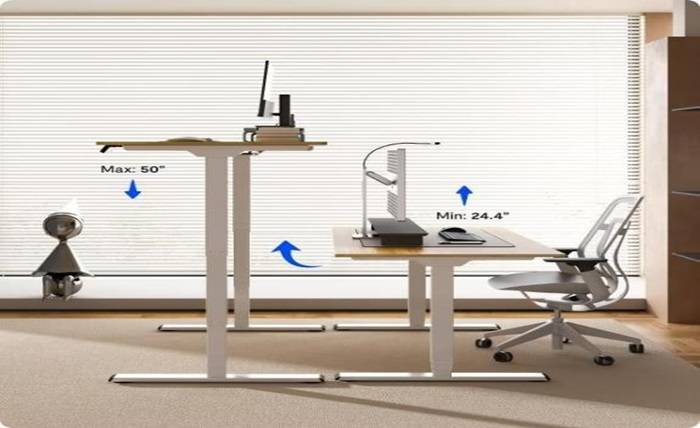
An extensive array of health hazards are associated with prolonged periods of seating. It is capable of inducing a variety of musculoskeletal complications. Furthermore, there exists a correlation between this phenomenon and a multitude of physical and mental health issues, such as heightened blood pressure and cholesterol levels, in addition to an increased probability of developing depression. An increasing amount of research suggests that prolonged seating is associated with various health complications. In response, producers of ergonomic office furniture are striving to create an alternative product that reduces the probability of developing these physical disorders. Height-adjustable standing workstations have emerged as a highly favored alternative in recent years. Are you interested in maximizing your investment by utilizing a standing desk with height adjustment? The following recommendations are beneficial in maximizing the benefits of an electric standing desk.
Guidelines for Optimising the Utilisation of A Standing Desk
Standing an Entire Day is Just as Detrimental as Seating
It is imperative to bear in mind that the primary purpose of a standing desk is not to serve as a total substitute for seating but to supplement it whenever feasible. Extended standing periods can lead to various health complications, most of which are cardiovascular. It adds to the edema in the feet and legs and applies considerable pressure to the lower extremities. Moreover, it may increase the likelihood of developing varicose veins and hemorrhoids. Furthermore, prolonged standing during work hours can cause or worsen musculoskeletal disorders, including lower back pain, knee pain, and hip discomfort. Therefore, when utilizing a standing desk, it is critical to remember that prolonged standing can be equally hazardous as prolonged seating; thus, care must be taken to do it appropriately.
Set an Alarm to Prompt You to Alter Your Position
Individuals who utilize height-adjustable standing workstations often need help repositioning themselves during the day. As a result, they are commonly posed in a sedentary posture most of the day. Consider establishing a reminder alarm to adjust your posture routinely. This may present a viable resolution to the challenge that you are facing. One way to be reminded that it is time to change positions is to establish a timer that activates at a user-specified interval, ideally every 30 minutes. You will eventually develop the habit of frequently alternating positions; it will become second nature to transition between positions at various points throughout the day.
Adjust the Height of Your Workstation and Monitor
Consider that you are required to operate on a screen for your job. It is crucial, therefore, to modify the height of your screen and workstation to the proper level to maintain a comfortable working environment. Furthermore, it reduces the probability of experiencing physical harm during workplace activities. For optimal effectiveness when adjusting the height of your desk, ensure that it aligns with the height of your elbow, ensuring that it forms a right angle with the desk while remaining parallel to the floor. In this regard, the placement of your display is an additional critical element to contemplate. It is necessary to modify the screen’s tilt to maintain a value of 110 degrees. Proper neck posture necessitates maintaining a moderate upward inclination ranging from 10 to 20 degrees. Additionally, between 20 and 28 inches should separate your visage from the display.
Conclusion
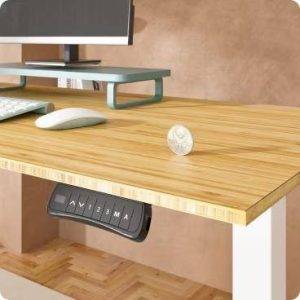
Modern workplaces must have a height-adjustable standing desk; nevertheless, to derive the most significant possible benefit from one, it is critical to possess a comprehensive comprehension of its proper operation. You can maximize the effectiveness of your investment in a height-adjustable standing workstation by considering the following recommendations: setting the alarm, adjusting the height, and being wary of the standing and seating time.