


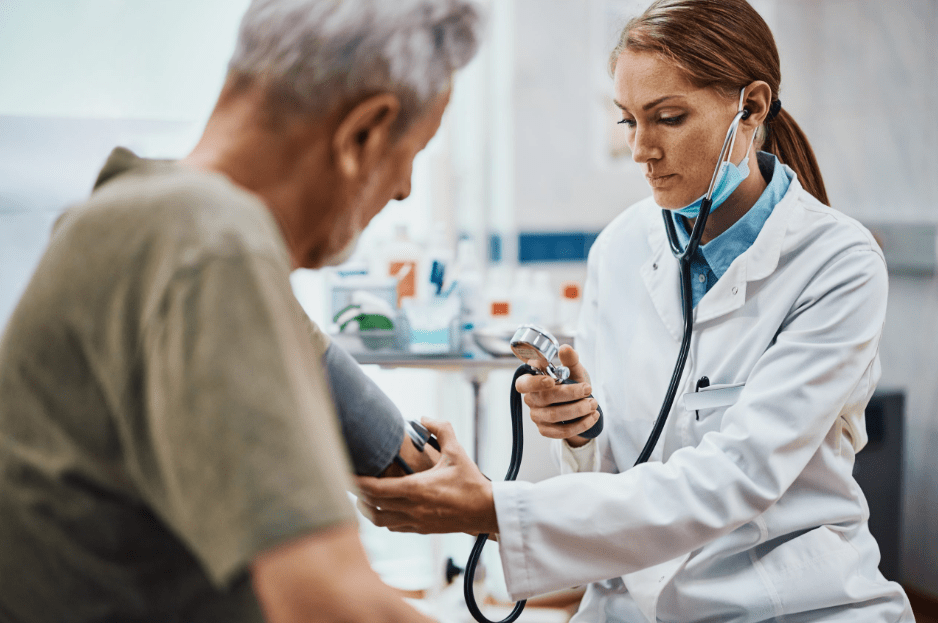
Urgent care clinics have become one of the most relied upon options for fast, accessible medical attention. As healthcare needs continue to evolve, many people are turning to these facilities for conditions that require prompt evaluation but do not necessarily merit a visit to the emergency room. This shift has transformed the way communities receive care, creating a middle ground that blends convenience, speed, and clinical reliability. For those seeking more specialized immediate help, options like an ENT emergency clinic offer targeted expertise within this growing network of walk-in medical services.
Urgent care centers were originally designed to fill the gap between primary care and emergency departments. Over time, they have expanded into comprehensive hubs that handle a wide range of non life threatening medical issues. From fractures and infections to dehydration and sudden illnesses, these clinics have become the go to choice for millions of people who need solutions quickly.
Why Urgent Care Clinics Have Become So Popular
The rise of urgent care clinics can be explained by a combination of convenience and practicality. Traditional primary care appointments often involve long wait times, and emergency rooms are overcrowded and expensive. Urgent care clinics bridge this divide, offering immediate access to care without the long delays.
Most locations welcome walk-ins, operate extended hours, and treat a wide range of conditions. This flexibility is especially valuable for families juggling unpredictable schedules. Whether it is a sprained ankle during an after school sports practice or a sudden fever on a weekend, urgent care clinics give people a dependable place to go when they cannot wait for a standard appointment.
Affordability is another factor that contributes to their popularity. Urgent care visits typically cost significantly less than emergency room visits. For individuals without comprehensive insurance or those looking to avoid high hospital billing, this difference matters.
How Clinics Deliver Fast and Effective Care
Urgent care centers follow streamlined protocols that prioritize efficiency. Their staff members include physicians, nurse practitioners, physician assistants, and nurses who specialize in assessing and treating acute conditions. With medical imaging, lab testing, and minor surgical tools available on site, they can diagnose and treat most non severe injuries or illnesses within a single visit.
This approach shortens the overall time from symptom onset to treatment. Patients often appreciate that they can walk in, be seen within minutes, and leave with a plan that helps them recover quickly. This speed does not sacrifice quality. Clinics maintain high standards of care, follow evidence based protocols, and coordinate with primary care providers when needed.
Conditions Commonly Treated in Urgent Care Clinics
The range of services provided at urgent care clinics is wider than many people realize. These centers regularly treat respiratory infections, allergic reactions, earaches, sinus problems, urinary tract infections, and minor burns. They also manage injuries like sprains, strains, broken bones, and lacerations. In addition, clinics often provide physicals, vaccinations, and preventive screenings.
Specialized facilities within this category, including those that function similarly to an ENT emergency clinic, focus on ear, nose, and throat conditions. These might include severe sinus infections, sudden hearing issues, nosebleeds, or throat swelling. Having a specialty approach available in a walk in environment adds a valuable layer of medical support to the standard urgent care model.
How Urgent Care Works Alongside Primary Care and Emergency Departments
One of the strengths of urgent care is its ability to support the rest of the healthcare system. Instead of replacing primary care physicians, urgent care clinics complement them. People still rely on their regular doctors for long term health management, chronic care, and preventive services. Urgent care fills the gaps when unexpected problems arise.
Similarly, urgent care clinics alleviate the strain on emergency rooms by treating conditions that do not require hospital level intervention. Emergency departments can then focus on critical, life threatening cases without being overwhelmed by situations that could be managed elsewhere. This cooperation benefits patients, medical staff, and healthcare systems as a whole.
A Look at the Patient Experience
One reason urgent care clinics have gained so much trust is the overall patient experience. Many patients describe their visits as quick, straightforward, and less stressful than other medical environments. Check in systems are often digital. Seating areas are comfortable. Staff members are trained to work efficiently while maintaining a friendly demeanor.
Transparency is another hallmark of urgent care clinics. Many facilities display wait times online, list the conditions they treat, and publish clear pricing for common services. This level of openness helps patients understand what to expect, which reduces anxiety during moments of uncertainty.
For families with children, the experience is particularly valuable. Kids often encounter sudden illnesses that cannot be postponed. Being able to walk into a clinic for immediate attention provides reassurance for parents who need answers fast.
Technology and Innovation in Urgent Care
Technology has played a major role in shaping modern urgent care clinics. Online check in systems allow patients to reserve their place in line. Electronic health records streamline communication between urgent care providers and primary care doctors. Some clinics even incorporate telemedicine, giving patients remote access to medical professionals when an in person visit is not necessary.
Advancements in diagnostic equipment have also improved the quality of care. Modern urgent care clinics use digital X rays, rapid testing for illnesses, and updated medical equipment that supports faster evaluations. These innovations allow clinics to keep up with the growing demand for high quality, immediate care.
The Role of Specialized Urgent Care Services
While general urgent care clinics treat a wide variety of conditions, specialized urgent care services are becoming more common. These facilities focus on specific areas of medicine so patients can access targeted treatment without waiting for referrals.
An ENT emergency clinic is one example of this trend. Instead of waiting for an appointment with an ear, nose, and throat specialist, patients can receive focused care for acute issues right away. This model benefits individuals with chronic sinus problems, ear infections that flare up suddenly, or throat complications that need same day evaluation.
Specialty urgent care extends beyond ENT services and may include orthopedics, pediatrics, dermatology, or women’s health. By expanding the scope of urgent care, medical systems can deliver more comprehensive support to people with specific, time sensitive needs.
Challenges That Urgent Care Clinics Face
Even though urgent care clinics are popular, they face their own challenges. Staffing demands can be high, especially in busier clinics. Ensuring consistent quality across locations requires strong leadership and standardized training. Because patients often arrive without appointments, clinics must be equipped to manage unpredictable volume spikes.
Insurance complexities can also create obstacles. While urgent care is often more affordable than emergency care, coverage varies by provider and plan. Patients may need to confirm that the clinic they choose is within their network to avoid unexpected costs.
Another challenge is patient education. Some people still struggle to understand which conditions belong in urgent care and which require emergency room attention. Clinics often work to clarify these distinctions to ensure patient safety.
Why Urgent Care Will Continue to Grow
The future of urgent care looks strong. As healthcare systems shift toward convenience and patient centered design, urgent care clinics will continue to meet an essential need. The demand for immediate access to quality medical care is unlikely to fade, especially among busy families, seniors, and individuals managing chronic conditions.
More clinics are expected to open, more services will be added, and technology will continue to improve the efficiency and comfort of the patient experience. Specialized urgent care services will likely expand as well, bringing more targeted medical support into accessible, walk in settings.
Final Thoughts on the Role of Urgent Care Clinics
Urgent care clinics have reshaped the way people seek treatment for sudden, non life threatening medical issues. Their convenience, affordability, and efficiency make them an appealing choice for patients who need answers quickly. Combined with specialized options like ENT emergency clinic services, urgent care has become a dynamic part of the modern healthcare landscape.
As these facilities continue to evolve, they will remain a vital component of the healthcare system, offering fast, reliable, and compassionate care to people when they need it most. For individuals and families navigating unexpected health concerns, urgent care clinics provide a reassuring anchor in moments of uncertainty.