


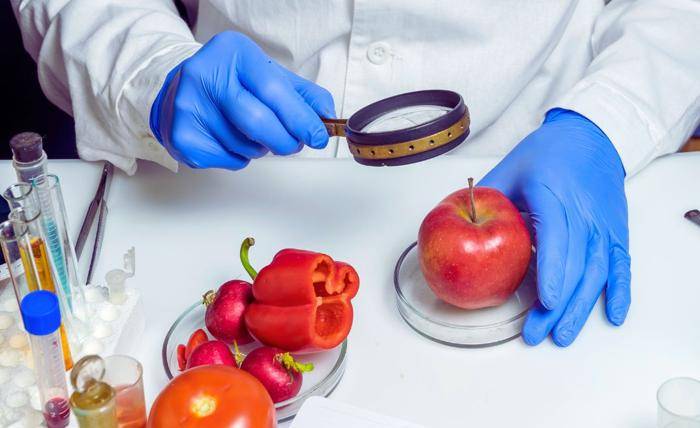
In a world where consumers expect food to be fresh, safe, and ready-to-eat, food safety has quietly become one of the most essential aspects of modern food production. Whether it’s a corner bakery or a sprawling food processing plant, the path from farm to fork includes many potential points of contamination. Avoiding them takes more than good intentions. It takes science-backed solutions, disciplined workflows, and the right equipment.
Why Food Safety Deserves More Attention
It’s easy to assume that food safety only becomes an issue once food reaches the kitchen. But in truth, safety is built into the process at every step. From the moment raw materials arrive, everything from water sources to surfaces and air quality must be monitored and managed.
A single lapse in hygiene can cause far-reaching consequences. The Centers for Disease Control and Prevention (CDC) estimates that about 48 million people in the U.S. get sick from foodborne illnesses each year. That’s roughly one in six people, and many of these cases can be traced back to preventable contamination. Food recalls, damaged reputations, and legal fallout are just a few of the consequences businesses face when safety isn’t prioritized.
Critical Control Points in Food Processing
To maintain high standards, food facilities must identify and monitor critical control points (CCPs) throughout their production line. These are steps where hazards can be prevented, eliminated, or reduced to acceptable levels. Common CCPs include cooking temperatures, cross-contamination controls, and cleaning protocols.
But food safety doesn’t stop with monitoring. It also depends on the equipment used every day. Poorly maintained tools, worn-out fixtures, or improper storage can create hidden breeding grounds for bacteria. This is why even something as simple as a hose or mop can become a threat if not handled properly.
Small Tools, Big Impact
Take the example of washdown areas in a food production facility. These zones are cleaned multiple times a day, using high-pressure water systems. When hoses are left lying on the ground or draped over unsanitized surfaces, they can quickly become contaminated. The next time they’re used, that contamination can spread to otherwise clean surfaces.
A hose hanger might seem like an afterthought, but it plays a critical role in food safety. By keeping hoses off the floor and neatly coiled, it helps prevent cross-contamination and bacterial buildup. Stainless steel hangers are particularly effective because they are durable, easy to clean, and resistant to corrosion.
More broadly, investing in proper storage solutions communicates a company’s commitment to cleanliness and operational discipline. It may not be the most glamorous upgrade, but it’s one of the most meaningful.
Designing for Hygiene
Hygienic design is another often-overlooked element in food safety. The equipment used in processing and packaging must be easy to clean and built to avoid harboring debris or bacteria. Crevices, grooves, or rough welds can become bacterial hot spots if not properly maintained. Choosing machinery with smooth surfaces, rounded edges, and food-safe materials helps reduce cleaning time while also improving outcomes.
In recent years, food safety solutions have advanced to include smart sensors, automatic sanitation systems, and even UV-based surface disinfection. However, the best systems are only as effective as the people who operate them. That’s why employee training and standard operating procedures (SOPs) remain the foundation of a strong safety culture.
From Compliance to Competitive Advantage
Food safety is often viewed through the lens of compliance. Regulations from the Food and Drug Administration (FDA) and other bodies exist to keep the public safe and prevent outbreaks. But for forward-thinking companies, food safety can be much more than a checkbox.
It can be a selling point. Consumers are increasingly demanding transparency about how their food is made. A visible commitment to hygiene and quality supported by certifications, audits, and clean facilities builds trust.
Moreover, food safety solutions reduce long-term costs. By avoiding recalls and product waste, companies can improve efficiency and preserve their brand’s reputation. Even simple additions like a hose hanger or color-coded tools can reduce the risk of human error and streamline operations.
Challenges and Opportunities Ahead
While the basics of food safety have remained the same for decades, the industry faces new challenges. Supply chains are more global and complex than ever, increasing the risk of contaminated ingredients. Climate change is also creating new threats, such as shifts in pathogen behavior and longer shelf lives for bacteria under certain storage conditions.
Technology can help fill the gaps. Cloud-based tracking systems, real-time temperature monitors, and predictive analytics are giving food producers better control over their operations. Still, no technology can replace a strong safety culture. The habits and attention to detail of the people on the ground are what truly make a system reliable.
Conclusion
Food safety is not just a technical requirement. It’s a promise made to every customer who opens a package or takes a bite. That promise is upheld through a mix of strategy, equipment, and mindset.
Whether it’s installing a new hose hanger, redesigning workstations for easier cleaning, or training staff to recognize hazards, small changes add up to a safer, more resilient food system. As consumers grow more conscious of where their food comes from, businesses that invest in safety today will be the ones trusted tomorrow.