


Understanding the Window Installation Process: A Step-by-Step Guide
The Anatomy of a Window: Know Your Components
Before embarking on the window installation journey, it’s crucial to understand the key components of a window. A standard window comprises several parts: the frame, sashes, panes, and hardware. The frame is the structural outer part that holds the entire window together, while the sashes are the movable components that allow for ventilation. The window panes are typically made of glass, serving the dual purpose of providing clarity and protection. Lastly, the hardware includes all necessary fittings such as hinges, locks, and cranks that facilitate the functionality of the window.
Understanding these components not only aids in selecting the right window for your needs but also ensures that you appreciate the nuances of installation. Each piece plays a pivotal role in performance and longevity. The frame must be made from durable materials capable of withstanding weather elements, while the glass must be energy-efficient to contribute to home insulation. Knowledge of the anatomy of a window also equips you to troubleshoot issues down the line, positioning you as a more informed homeowner capable of recognizing well-constructed windows compared to poorly designed alternatives.
Pre-Installation Preparations: Setting the Stage for Success
Preparation is an indispensable part of the window installation and replacement process. Before you even select your windows, ensure that the work area is clean, accessible, and safe. This involves clearing out the space around your current windows, removing drapes or blinds, and ensuring any furniture or decor is moved away to minimize damage. Additionally, it’s crucial to assess and repair any structural issues in the surrounding wall frame, ensuring that it can adequately support the new installation.
Also, check local building codes and regulations before starting. Different regions may require permits or inspections, particularly if you’re altering structural openings. It’s advisable to consult with experts or reach out to your local building department for necessary guidelines. Proper documentation not only saves time but also sets clear expectations and standards for the installation, ensuring a smooth transition to new windows. Finally, you might want to inform neighbors about the upcoming installation to minimize any disruption caused by noise or debris.
When considering window installation and replacement, it’s crucial to factor in potential weather-related challenges. Storms can cause significant damage, making it essential to choose windows that offer durability and protection. For those who have experienced storm damage, seeking professional repair services is vital. You can find expert assistance at https://perraultconstruction.com/storm-damage-repair, where specialized teams are equipped to handle the aftermath of severe weather. This ensures that your windows not only enhance your home’s aesthetic appeal but also provide the necessary resilience against future weather events. Prioritizing quality installation and timely repairs can significantly extend the lifespan of your windows, offering peace of mind and long-term savings.
Tools of the Trade: What You’ll Need for a Flawless Fit
Having the right tools at your disposal is essential for a successful window installation. Key items include a tape measure for accurate dimensions, a level to ensure the window is properly aligned, and a utility knife for trimming insulation materials. Depending on your window type, you might also require various types of screws, anchors, and possibly a nail gun. A drill and bit set is vital for creating pilot holes and fastening, while a pry bar may be necessary for removing old windows efficiently.
Additionally, safety gear should not be overlooked; gloves, goggles, and dust masks protect you from debris and potential hazards during the installation. Lastly, consider investing in a high-quality caulk gun to help with sealing gaps effectively, which is crucial to energy efficiency and insulation. Investing in the right tools not only enhances the efficiency of your installation but also contributes to achieving a professional finish.
Choosing the Right Window Style: Beauty Meets Functionality
Classic vs. Contemporary: Aligning Your Home’s Aesthetic
The choice between classic and contemporary window styles involves more than just aesthetics; it significantly affects the interior ambiance and the overall curb appeal of your home. Classic styles, such as double-hung or casement windows, exude timelessness and can enhance traditional architecture. On the other hand, contemporary designs, which may include large picture windows or minimalist frames, complement modernist layouts with sleek lines and expansive glass surfaces.
Matching window style to your home’s architecture is imperative. For instance, a Victorian home typically pairs well with multi-paned windows, while a modern flat-roofed structure might better suit large fixed windows or sliding doors. Understanding the scaling of your windows is also vital; overly large or excessively small windows can disrupt the proportionality of a room and diminish its charm.
Ultimately, it is about striking a balance between personal taste, architectural integrity, and functional needs such as light, airflow, and privacy. Consider how each window style will influence not only your home’s exterior look but also its interior space. Well-chosen styles allow for a coherent aesthetic that resonates throughout your property while ensuring that form follows function.
Energy Efficiency: Windows That Save More Than Just Heat
In today’s eco-conscious world, prioritizing energy-efficient windows is not just a trend; it’s a necessity. Energy-efficient windows are designed to reduce energy consumption by minimizing heat loss during winters and limiting heat gain in summers. A fundamental aspect of examining energy efficiency lies in understanding the window’s labeling, including terms such as U-factor, solar heat gain coefficient, and R-value. The U-factor indicates thermal conductance, while the R-value measures resistance to conductive heat flow. Choosing windows with low U-values and high R-values ensures thermal comfort year-round.
Another significant element to consider is glazing. Double or triple-pane windows with inert gas fills and low-emissivity (Low-E) coatings provide superior insulation and UV protection. These elements diminish heating and cooling costs and contribute to more sustainable living by reducing your carbon footprint. Not only do these energy-efficient upgrades significantly save on utility bills, but they can also enhance the resale value of your property by making it more attractive to potential buyers.
To maximize efficiency, it’s also necessary to install windows properly, as even the best windows can perform poorly if not sealed correctly. Understanding how to choose windows that align with your local climate plays a crucial role in maintaining both comfort and energy savings, making educated selections a top priority for homeowners.
Material Minds: The Pros and Cons of Wood, Vinyl, and Aluminum
The materials used in window construction play a pivotal role in factors such as durability, maintenance, aesthetic appeal, and energy efficiency. Wood is often praised for its natural beauty and insulative properties. It provides a warm feel to interiors and accepts paint and stain well, allowing for customization. However, wood windows require regular maintenance to prevent water damage and rotting, which can be labor-intensive and costly.
On the other hand, vinyl windows have gained popularity due to their energy efficiency and low maintenance requirements. They do not require painting or sealing and are available in various colors. However, they may not offer the same aesthetic appeal as wood, leading some homeowners to view them as less appealing in traditional settings.
Aluminum windows, known for their strength, are less prone to warping and are ideal for large windows and modern architectural designs. Although they are incredibly durable, they are less energy-efficient than wood or vinyl unless they feature thermal breaks, and they can be prone to condensation. Understanding these materials’ pros and cons not only aids you in selecting the right windows for your home but also aligns your choices with maintenance preferences, aesthetic desires, and energy efficiency goals.
The Art of Replacement: When to Upgrade Your Windows
Signs It’s Time for a Change: Recognizing the Red Flags
Window replacement is not just a seasonal chore; it’s an essential aspect of maintaining the comfort and efficiency of your home. Recognizing key signs that indicate it’s time for a replacement can save you from higher energy bills and significant discomfort. One of the most telling signs is the presence of drafts. If you can feel air seeping through your closed windows, it’s a strong indication that the seals have degraded, and replacement may be necessary for better insulation.
Additional indicators include condensation or fogging between panes, which suggests seal failure and poor energy performance. Aged or damaged frames, whether due to rot, warping, or chipping paint, can also be a significant red flag that replacement is warranted. Beyond aesthetics and comfort, if your windows are difficult to operate, either stuck or incapable of locking securely, it’s not merely an inconvenience but a safety concern as well that should be promptly addressed.
Conducting a thorough visual inspection of your windows every few years can help you stay ahead of potential issues. Keeping an eye out for cracks, signs of decay, or distorted frames can prepare you for necessary upgrades, leading to a home that remains comfortable and safeguarded from the elements.
Cost vs. Value: Analyzing the Long-Term Benefits of New Windows
When considering window replacement, it’s essential to evaluate the immediate costs against the long-term value it provides. Upfront, replacing windows can seem daunting due to high labor and material expenses, making many homeowners hesitant. However, assessing this investment holistically reveals the myriad benefits new windows can offer over time. Energy-efficient windows can lead to substantial savings on heating and cooling bills, often recovering their costs within a few years through decreased energy usage.
Moreover, new windows can improve your property’s aesthetic and market value. When selling your home, listings featuring modern, energy-efficient windows often attract higher offers and sell more quickly than their older counterparts. Furthermore, consider the potential for reduced repair and maintenance costs over time with new windows compared to aging infrastructure that demands constant attention. In essence, analyzing costs should go beyond the immediate expenditure to encompass the financial and quality-of-life benefits that new windows provide in the long run.
The Sensible Timeline: Optimal Seasons for Window Replacement
Timing your window replacement is crucial to ensuring a smooth installation process and optimal outcomes. The best seasons for window installation generally fall during the spring and fall months. The weather during these periods is often mild, making it easier to remove old windows and install new ones without the extreme heat of summer or the chill of winter negatively affecting the process. Additionally, many window installation companies offer discounts during the off-peak seasons, making it financially prudent to schedule replacements during these periods.
While summer might see the advantage of daylight hours, the heat can lead to challenges with window sealant and other materials. Conversely, winter is typically less favorable due to cold temperatures that may hinder the effectiveness of adhesive seals. However, in regions where winter poses less of a threat, this season may also offer competitive rates for installation services. Regardless, surveying your local climate trends helps in selecting the right time for replacement, enabling you to reap the benefits of both cost and comfort effectively.
Common Pitfalls During Installation: What You Must Avoid
Sealing The Deal: Importance of Proper Insulation Techniques
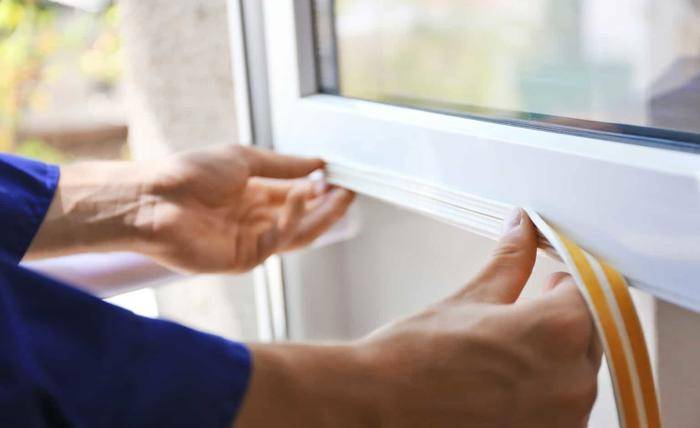
One of the most critical aspects of window installation lies in proper insulation techniques. A common misstep during installation is failing to adequately seal gaps, which can lead to drafts, moisture buildup, and significant energy loss. Many homeowners underestimate the importance of using a high-quality sealant to fill any gaps between the window frames and the wall opening. While caulking may seem like a simple afterthought, it serves as an essential barrier against inclement weather and pests.
Moreover, inadequate insulation can lead to condensation forming on the window interiors, creating an environment conducive to mold growth, which severely affects indoor air quality. Ensuring a proper fit during installation must be accompanied by careful attention to sealing techniques. Regularly checking your seals and making necessary repairs can safeguard your investment and maintain energy efficiency for years to come.
Handling Common Mistakes: Learning from the Pros
Even seasoned installers can make mistakes, and understanding common pitfalls can help you avoid them. Errors like improper measurements can result in windows that don’t fit correctly, leading to wasteful expenses and frustrating delays. Always measure twice to ensure accuracy, as even minor discrepancies can have significant consequences. Additionally, failing to use a level during installation can lead to crooked windows that compromise both function and aesthetics.
It’s also essential to ensure that the flashing is installed properly to prevent water intrusion. Water leaks can lead to severe damage, requiring extensive repairs down the line. Educating yourself on techniques used by professional installers can improve your chances of success. Learning the best practices and understanding the installation process will inform your decisions and help you dodge common mistakes that could have lingering repercussions.
The Final Touch: Ensuring a Clean and Professional Finish
Final touches in window installation should never be overlooked. Professional installations typically include detailed finishing work such as trim installation and cleaning of the window surfaces. Ensuring that all debris from the installation is carefully removed improves your home’s appearance and prevents dirt from settling into new frames or sashes, which can lead to long-term damage. Clean, shiny windows not only look great but also provide unobstructed views and ample light into your home.
Additionally, applying fresh paint or touch-up caulking can enhance both the look and longevity of your windows. This final step reflects that you’ve taken the time to ensure everything is visually appealing and functionally sound. Just as you would expect a professional finish from an installer, taking the time to complete the project yourself instills pride and satisfaction in your home. These small considerations culminate in a polished end product, securing both the performance and aesthetic appeal of your windows for years to come.
FAQ
Question: What types of windows are best for high humidity areas? – In high humidity areas, it is advisable to consider windows made from materials such as vinyl or fiberglass, as they resist moisture and will not warp or rot over time. Look for windows with double or triple-paned glass for greater insulation and reduced condensation.
Question: How often should I inspect my windows for damage? – It is recommended to inspect your windows at least once a year. Regular checks can help you catch early signs of wear or damage, ensuring your windows continue to perform well and maintain energy efficiency.
Question: What are the benefits of hiring a professional for window installation? – Hiring a professional ensures that the installation meets local building codes and regulations, minimizes the risk of errors, and provides peace of mind knowing that the job is done correctly. Professionals also have the experience to troubleshoot any potential issues during installation.
Question: Can I replace just one window, or should I consider replacing all of them at once? – You can replace just one window if it’s showing signs of damage or inefficiency, but replacing all windows at once can provide uniformity in appearance and performance. Assessing energy efficiency and aesthetics can guide your decision.
Question: What should I do if my new windows have condensation between the panes? – Condensation between window panes usually indicates a seal failure. If this happens, it’s advisable to contact the manufacturer or installer for a warranty claim, as the window may need to be replaced.
Question: How long does the window installation process typically take? – The window installation process can range from a few hours to a couple of days, depending on the number of windows being replaced and the complexity of the installation. A professional installer can provide a more accurate time frame based on your specific project.
Question: Are there energy-efficient options for older homes? – Yes, there are many energy-efficient window options designed for older homes. Features such as low-emissivity (Low-E) glass, improved insulation, and custom sizes can be implemented without compromising the historical integrity of the home.
Question: What is the best way to maintain my new windows? – Regular maintenance includes cleaning the glass and frames, checking and replacing weather stripping as needed, and inspecting seals for any signs of wear or damage. This proactive approach will extend the life and efficiency of your windows.