


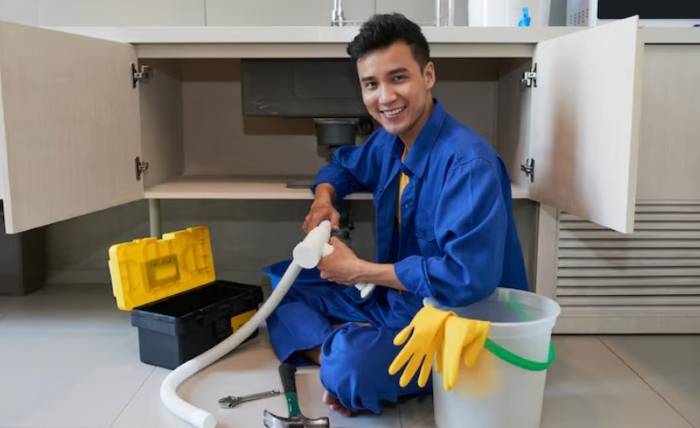
Most people rarely think about plumbing until something goes wrong. Water flows from the faucet, toilets flush without trouble, and the dishwasher quietly handles its job after dinner. All of these daily conveniences depend on a network of pipes, valves, and fixtures working together behind the scenes.
Beyond internal pipe health, protecting the exterior of a residence is equally vital for long-term structural integrity. While a reliable plumbing system manages water inside, external drainage solutions prevent moisture from seeping into the foundation or walls. Homeowners often overlook how a proper gutter install mobile can divert heavy rainfall away from sensitive entry points, effectively complementing their indoor maintenance efforts. Integrating these external safeguards with routine inspections of faucets and drains creates a comprehensive defense against water-related damage. By maintaining this holistic view of property care, residents can ensure every component of their home works in harmony to provide a safe and dry environment.
Plumbing systems are among the most essential parts of any home or building. They deliver clean water, remove waste safely, and help maintain sanitation and comfort. When these systems function properly, they remain almost invisible in everyday life. When they fail, however, the disruption can be immediate and frustrating.
Professional plumbing services exist to keep these systems functioning reliably. From routine maintenance to emergency repairs, skilled plumbers diagnose problems, prevent damage, and help homeowners avoid costly surprises. Understanding what plumbers actually do can help people appreciate the value of these often overlooked professionals.
What Modern Plumbing Services Include
Plumbing today involves far more than fixing a dripping faucet or unclogging a drain. Modern plumbing systems combine water supply, waste removal, heating components, and specialized equipment that all work together in a carefully balanced network.
Professional plumbers handle installations, inspections, repairs, and maintenance for these systems. Their work may involve everything from replacing old pipes to installing advanced water filtration equipment or tankless water heaters. Each task requires a detailed understanding of how water pressure, gravity, and ventilation affect the system as a whole.
Residential plumbing is only one part of the field. Plumbers also work in commercial buildings, industrial facilities, and large construction projects. In each environment, the complexity of plumbing systems increases, requiring specialized knowledge and tools.
Plumbing system installation
New construction projects require careful planning when it comes to plumbing installation. Pipes must be positioned correctly inside walls and floors before the building is completed. These installations determine how water will flow through the structure for decades to come.
Professional plumbers design layouts that maintain proper water pressure and drainage. Vent pipes must allow air to circulate through the system so wastewater flows smoothly without creating suction or blockages. Each connection must also meet strict building codes designed to protect health and safety.
Because plumbing becomes hidden once walls are closed and floors are finished, proper installation is critical. Even small mistakes during this stage can lead to leaks or pressure issues later. Skilled plumbers take time to ensure that every pipe, joint, and fixture is positioned correctly.
Repair and maintenance services
Even well built plumbing systems eventually require repairs. Pipes age, seals wear out, and minerals from hard water can accumulate inside fixtures. Over time, these factors can lead to leaks, reduced water pressure, or slow drainage.
Regular maintenance helps identify these issues before they turn into major problems. Plumbers inspect pipes, check connections, and test water pressure to ensure everything operates as expected. They may also recommend preventative solutions such as flushing water heaters or replacing aging valves.
Maintenance visits can save homeowners significant money over time. Catching a small leak early often prevents the kind of water damage that requires expensive repairs to walls, floors, and cabinetry.
Common Plumbing Problems Homeowners Face
Plumbing issues can appear in many forms, from minor inconveniences to serious emergencies. Understanding common problems can help homeowners respond quickly and minimize potential damage.
One of the most frequent concerns involves clogged drains. Kitchens and bathrooms often accumulate grease, soap residue, hair, and other debris that gradually restrict water flow. Over time, these blockages can lead to slow drainage or complete clogs.
Leaks are another widespread problem. Pipes hidden inside walls or beneath floors can develop small cracks or loose connections. These leaks may remain unnoticed for long periods while slowly damaging surrounding materials.
Drain and sewer blockages
Drain clogs often begin with everyday activities such as washing dishes or showering. Grease from cooking can solidify inside kitchen pipes, while hair and soap buildup commonly accumulate in bathroom drains. These materials gradually narrow the passageway for water.
If the blockage becomes severe, wastewater may back up into sinks or tubs. Professional plumbers use specialized equipment such as drain augers or hydro jetting systems to clear stubborn obstructions. These tools allow them to remove buildup without damaging the pipes themselves.
Sewer line blockages can be even more serious. Tree roots sometimes grow toward underground pipes in search of moisture. Once inside the line, the roots expand and restrict the flow of wastewater. Addressing these problems typically requires advanced diagnostic tools such as camera inspections.
Water leaks and hidden damage
Leaks can develop in almost any part of a plumbing system. Faucets may drip due to worn washers, while pipe joints may loosen as materials expand and contract with temperature changes. In some cases, corrosion weakens metal pipes over time.
Hidden leaks are especially concerning because they may remain unnoticed until damage becomes significant. Water trapped inside walls can lead to mold growth, warped wood, and deteriorating insulation. Homeowners sometimes discover these issues only after noticing unusual stains or musty odors.
Professional plumbers use moisture detection tools and pressure testing equipment to locate hidden leaks. Identifying the exact source allows them to repair the problem efficiently while minimizing disruption to the surrounding structure.
How Plumbers Diagnose Complex Issues
Troubleshooting plumbing problems often requires both experience and specialized equipment. What appears to be a simple symptom on the surface may actually originate from a deeper issue within the system.
For example, low water pressure might result from a partially closed valve, mineral buildup inside pipes, or even a hidden leak. Plumbers evaluate each possibility carefully to determine the correct solution.
Modern diagnostic tools have made this process more efficient. Cameras can travel through sewer lines to reveal blockages or structural damage. Electronic leak detectors help identify hidden moisture inside walls or beneath floors.
Using technology for accurate inspections
Video inspection cameras have transformed the way plumbers investigate drainage problems. These small cameras travel through pipes while transmitting real time footage to a monitor. This allows plumbers to see exactly what is happening inside the system.
Instead of guessing where a blockage might be located, plumbers can pinpoint the exact area of concern. This precision reduces unnecessary digging or demolition and allows repairs to be completed more efficiently.
Other tools measure water pressure, temperature, and flow rates throughout the system. These readings provide valuable clues about the health of the plumbing network and help identify potential problems before they worsen.
Preventive plumbing care for homeowners
While plumbers are essential for repairs, homeowners can also take simple steps to maintain healthy plumbing systems. Preventive habits often reduce the likelihood of serious issues developing over time.
One of the most important practices involves being mindful of what goes down drains. Grease, coffee grounds, and certain food scraps can accumulate in pipes and create stubborn clogs. Disposing of these materials properly helps keep kitchen drains clear.
Regularly checking for signs of leaks is another helpful habit. Homeowners can inspect areas beneath sinks, around water heaters, and near appliances that use water. Catching small leaks early often prevents larger problems later.
Seasonal plumbing checks
Seasonal changes can affect plumbing systems in various ways. Temperature fluctuations may cause pipes to expand and contract, while heavy rainfall can stress drainage systems. Conducting periodic inspections helps ensure everything remains in good condition.
Plumbers often recommend checking outdoor faucets, irrigation lines, and exposed pipes at least once a year. These components may experience wear from weather exposure and require occasional maintenance.
Homeowners planning renovations or upgrades may also benefit from professional inspections. A plumber can evaluate existing pipes and recommend improvements that support modern fixtures or appliances.
Choosing a reliable professional
Finding a trustworthy plumber is an important part of maintaining a home. Reliable professionals communicate clearly, explain repair options, and provide accurate estimates for their work.
Homeowners often rely on recommendations from neighbors, online reviews, or local directories when searching for a service provider. In some cases, people researching a Tucson plumber online may discover helpful advice about choosing professionals with proper licensing and experience.
Working with skilled plumbers ensures that repairs and installations meet safety standards. Maintaining the various systems within a property often requires coordination between multiple trade specialists to ensure long-term efficiency and safety. When homeowners look for comprehensive support, they may seek out versatile providers like Regan & Son, HVAC, Plumbing & Electric to handle overlapping mechanical needs. Having a single point of contact for these essential services helps streamline property care and ensures that electrical and climate control systems work in harmony with the plumbing network. This integrated approach to maintenance reduces the risk of conflicting repairs and supports a more resilient home environment.This attention to quality protects both the home and the long term reliability of the plumbing system.
Plumbing as an essential part of everyday comfort
Plumbing rarely receives much attention until something stops working. Yet these systems quietly support countless daily routines, from cooking and cleaning to bathing and laundry.
Professional plumbing services help ensure that water flows safely and efficiently throughout homes and buildings. Through installation, maintenance, and repair, plumbers keep essential systems operating smoothly behind the scenes.
By understanding how plumbing works and taking steps to maintain it, homeowners can avoid many common problems. When issues do arise, experienced professionals have the tools and knowledge needed to restore comfort and functionality quickly.