


Few people think about plasma until someone they love suddenly needs it. It is not something you see advertised often, and it rarely comes up in everyday conversations. Yet plasma plays a quiet but essential role in modern medicine. Thousands of patients rely on plasma based treatments every day, from individuals with immune disorders to people recovering from serious injuries.
Unlike many medications that can be manufactured in laboratories, plasma must come from human donors. It cannot be synthetically created, and the need for it continues to grow as medical treatments advance. This makes voluntary donors an important part of the healthcare system, even if most never meet the people whose lives they help support.
Plasma donation is often misunderstood, which can make people hesitant to consider it. In reality, the process is straightforward, carefully regulated, and designed to protect both the donor and the patient. Understanding how it works, and why it matters, helps explain why so many communities encourage people to learn more about becoming donors.
What Plasma Is and Why the Body Needs It
Plasma is the liquid portion of blood, a pale yellow fluid that carries many of the components our bodies rely on to function properly. While red blood cells transport oxygen and white blood cells help fight infections, plasma serves as the vehicle that moves proteins, hormones, nutrients, and antibodies throughout the body. It is also responsible for helping blood clot and maintaining proper circulation.
Medical researchers discovered decades ago that plasma contains proteins that can be used to treat a variety of serious conditions. These proteins can be separated, purified, and turned into therapies that support people with rare diseases or compromised immune systems. For patients with conditions such as hemophilia, certain neurological disorders, or severe burns, plasma derived treatments are often essential for survival.
Because these therapies depend on human plasma, the supply must come from willing donors. Each donation can contribute to medications that help multiple patients, which is one reason healthcare professionals emphasize the importance of maintaining a steady donor pool.
Understanding the Plasma Donation Process
People sometimes imagine plasma donation as complicated or uncomfortable. In truth, the process is quite similar to giving blood, although it uses a slightly different method to collect the plasma itself. Modern donation centers rely on a technique called plasmapheresis, which separates plasma from other blood components.
During the procedure, a donor’s blood is drawn through a sterile, single use needle and passed through a machine that separates the plasma. The remaining components, such as red blood cells and platelets, are returned to the body. This cycle repeats several times during the session until the appropriate amount of plasma has been collected.
Most appointments last between 60 and 90 minutes. Donors typically spend part of that time relaxing in a comfortable chair while the machine performs the separation process. Many people bring a book, listen to music, or simply scroll through their phone while they donate.
Step by step overview of a typical donation visit
The first step in plasma donation usually involves a screening process. New donors provide identification, answer questions about their health history, and complete a brief physical check that includes measuring weight, temperature, blood pressure, and protein levels. These checks help ensure that donating plasma will be safe for the individual.
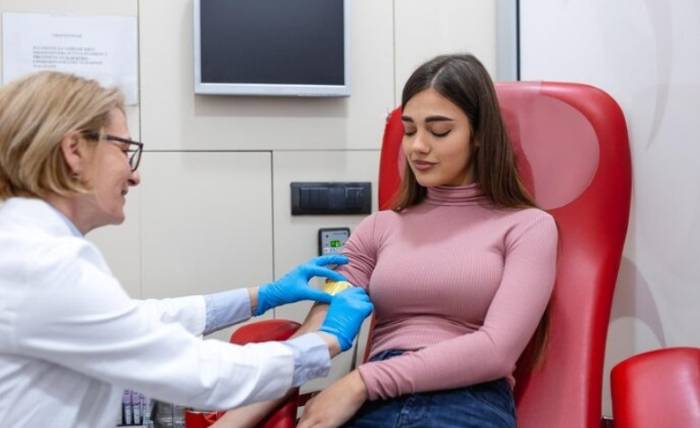
Once a donor is cleared, the actual collection process begins. A trained technician inserts a sterile needle into a vein, usually in the arm, and the plasmapheresis machine begins separating the plasma. Throughout the session, staff monitor the donor and the equipment to ensure everything runs smoothly.
After the donation is complete, donors are encouraged to relax for a few minutes and drink fluids. Most people feel perfectly normal afterward and can return to their daily routine shortly after leaving the center.
Safety and Regulations Behind Plasma Collection
Safety is a top priority in plasma donation. Collection centers operate under strict guidelines that are designed to protect both donors and patients who receive plasma derived treatments. Equipment is sterile, needles are used only once, and trained medical professionals supervise the entire process.
Regulatory agencies set standards for how plasma is collected, stored, and processed. These rules cover everything from donor eligibility to laboratory testing and transportation procedures. Each donation is carefully tracked to ensure that plasma products remain safe and traceable throughout the supply chain.
For donors, this structured system provides reassurance that their health and well being are protected. Screening procedures help identify any issues that might make donation unsafe, while trained staff remain available to answer questions or address concerns during the appointment.
Who Can Become a Plasma Donor
Most healthy adults can become plasma donors, though there are some basic requirements designed to keep the process safe. Donors typically need to meet minimum age and weight guidelines and pass a health screening before donating. These checks ensure that plasma collection will not place unnecessary stress on the body.
Certain medications or medical conditions may temporarily delay eligibility. For example, people who recently had surgery or received certain vaccinations might need to wait before donating. Travel history can also affect eligibility in some cases, depending on public health guidelines.
For individuals who qualify, plasma donation can become a routine activity. Some donors choose to return regularly because they appreciate the opportunity to help others in a meaningful way. The sense of contributing to life saving treatments often becomes a powerful motivator.
Common questions new donors often ask
Many first time donors wonder whether the process hurts. Aside from the brief sensation when the needle is inserted, most people describe the experience as relatively comfortable. Staff members are trained to place the needle carefully and to monitor donors throughout the session.
Another frequent question involves recovery time. Because red blood cells are returned to the body during plasmapheresis, donors generally recover quickly. Staying hydrated and eating a balanced meal beforehand can make the experience even smoother.
People also ask how often they can donate. Regulations vary, but many donation programs allow individuals to donate plasma more frequently than whole blood. Centers provide clear guidelines so donors understand what schedule is appropriate for their health.
Community impact of plasma donation
Behind every plasma donation is a story that rarely makes headlines. A child with a rare immune disorder who can finally attend school again. A burn patient receiving treatments that support healing and recovery. A person with a genetic condition whose symptoms are kept under control by plasma based medication.
These stories illustrate how individual donations contribute to something much larger. When people volunteer to donate plasma, they become part of a network that supports patients they will probably never meet. That quiet connection between donor and patient is one of the most meaningful aspects of the process.
Communities often develop strong cultures around donation. Friends encourage one another to try it, families make it part of their routine, and local organizations help spread awareness about the need for plasma. In places where participation grows, healthcare providers gain a more reliable supply of the material needed for life saving therapies.
What to expect at a modern donation center
Donation centers today are designed to be welcoming, efficient spaces where people feel comfortable returning regularly. Staff members are trained not only in medical procedures but also in donor care. Their goal is to create an environment that feels professional without being intimidating.
When someone walks into a center for the first time, they often notice how organized the process is. Reception areas guide donors through registration and screening, while the donation floor contains specialized equipment used for plasma collection. Technicians move carefully between stations, checking machines and assisting donors as needed.
Technology also plays a growing role in the donation experience. Digital records help track appointments, monitor eligibility, and ensure that plasma units remain traceable throughout processing. This level of oversight adds another layer of safety and efficiency to the system.
Local awareness and participation
Public awareness campaigns often highlight how easy it can be to become a donor. Many people discover opportunities through community events, healthcare outreach programs, or recommendations from friends. Learning about nearby centers makes the idea feel more accessible and practical.
For instance, individuals researching plasma donation in Glassboro, NJ may come across programs designed to guide first time donors through the process step by step. These initiatives often focus on education, answering common questions and explaining how each donation contributes to medical treatments.
As awareness grows, communities tend to see more residents stepping forward to participate. This steady involvement helps ensure that patients who depend on plasma derived therapies continue receiving the treatments they need.
Preparing for a successful donation
Donating plasma is easier when you arrive prepared. Small habits before your appointment can make the experience smoother and more comfortable. Staying hydrated is one of the most important steps, since plasma is mostly water and hydration supports healthy circulation.
Eating a balanced meal before donating can also help maintain energy levels. Foods rich in protein and iron are especially helpful, since they support the body’s ability to replenish blood components. Avoiding alcohol beforehand is usually recommended as well.
Getting a good night’s sleep can make a difference too. When donors feel well rested, the body tends to respond better to the donation process. These simple preparations help ensure that the experience remains positive for both the donor and the staff.
A simple act with a powerful impact
Plasma donation may not always receive the same attention as other forms of medical volunteering, but its importance cannot be overstated. Every year, millions of patients depend on therapies made from donated plasma. Without the generosity of donors, those treatments would not exist.
For individuals considering donation, the experience often becomes more meaningful over time. What begins as curiosity can turn into a routine act of generosity, one that quietly supports people facing serious health challenges.
Whether someone donates once or decides to return regularly, the impact is real. A single visit can contribute to medications that improve or even save lives. That simple act of showing up, sitting down, and donating plasma becomes part of a much larger story of care, science, and community support.