


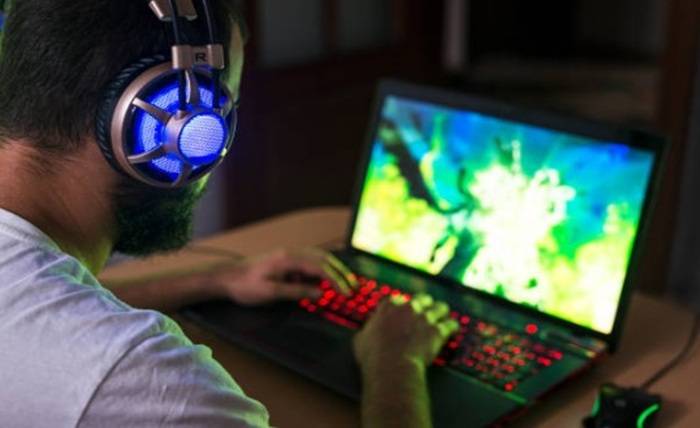
Have you ever thought about what really happens behind the screen when you open an online game and start playing with people from different places?
It may look simple on the surface, but there is a full digital system working together smoothly so that every click, move, and interaction feels natural. From servers to graphics, from coding to community interaction, many parts connect in a smart and organized way.
Let’s talk about how this entire system works in a clear and simple manner.
The Core Structure Of An Online Game
Every online DRAGON222 game stands on a strong technical base. It is not just about characters and visuals. Many layers are working together so that players can connect, interact, and enjoy smooth gameplay. When you press a button in a game, that action travels through networks, reaches a server, gets processed, and returns a response almost instantly. This coordination makes online gaming possible for millions of players at the same time.
Game Servers And Data Centers
At the heart of every online game are servers. A server is a high-capacity computer that manages player data, game rules, scores, and live actions. These servers are placed in data centers that operate continuously. They process information very fast and make sure that all connected players receive updated information in real time.
Game Development And Coding Framework
Creating an online situs slot gacor game requires detailed planning and teamwork. Developers write code that controls character movement, scoring systems, sound, and animations. The coding framework ensures that every rule works properly and that players experience consistent performance.
Online games usually depend on structured programming languages and engines. A game engine handles graphics rendering, object movement, and physics calculations. It acts as the main tool that connects art, sound, and logic into one playable format.
The Role Of Game Engines
Game engines provide a foundation for building interactive environments. They manage lighting, textures, and animation. When a player runs, jumps, or interacts, the engine calculates motion and timing instantly. This gives players a natural feel while playing.
Developers also test the game repeatedly to ensure stable performance. They adjust features based on player feedback and performance reports. This constant improvement helps maintain quality and smooth operation.
Networking And Real-Time Communication
Online games allow people to play together from different locations. This is possible through networking systems that send and receive data quickly. When one player makes a move, the system updates all connected players almost instantly.
Networking works through data packets. These packets carry small bits of information across internet connections. The faster and more stable the connection, the smoother the interaction feels.
Multiplayer Synchronization
Synchronization keeps all players on the same timeline. If one player moves forward, the others see that movement at the same moment. Servers coordinate these updates to avoid confusion or delay. This synchronization allows competitive and cooperative gameplay to run properly.
Chat systems and voice communication are also integrated into many online games. These tools help players coordinate strategies and share experiences in real time.
Graphics, Audio, And User Interface
Visuals and sound play a big role in making online games enjoyable. Designers create characters, backgrounds, and effects that attract attention. Sound designers add music and effects that match the action on screen.
Visual Rendering And Animation
Rendering is the process of turning digital models into visible images. The graphics engine calculates lighting, shadows, and textures to produce detailed scenes. Animations bring characters to life through motion sequences.
The user interface, often called UI, helps players understand menus, scores, and settings. A clean and clear interface allows players to focus on gameplay without confusion. Simple layout and readable text improve comfort during long sessions.
Cloud Computing And Scalability
Modern online games often use cloud technology. Cloud systems allow games to handle more players without slowing down. If traffic increases during events or updates, cloud resources adjust automatically.
Flexible Infrastructure
Cloud infrastructure supports storage, processing, and data backup. This flexibility helps maintain stable performance across different regions. Players from various locations can connect to nearby servers for faster response times.
This setup also supports regular updates. Developers can release new features or improvements without interrupting gameplay for long periods.
Security And Fair Play Systems
Online games include systems that protect player accounts and maintain fair competition. Security layers guard login data and transaction details. Encryption keeps sensitive information protected.
Account Protection Measures
Players often use passwords, verification codes, and secure login processes. These systems create a safe environment for participation. Automated monitoring tools also check for unusual activity to maintain balanced gameplay.
Fair play systems track performance and behavior patterns to ensure equal opportunities for all players. These systems create a positive atmosphere where skills and strategy shine.
Community And Social Interaction
An online game is not only about technology. It also connects people. Players form groups, teams, and communities. Social features allow friends to join sessions together and share progress.
In-Game Communication Tools
Text chat, voice chat, and friend lists help players stay connected. Events and challenges encourage participation and teamwork. Community forums and feedback channels allow players to share ideas and suggestions.
This human connection adds warmth to the technical structure. People enjoy playing together, celebrating achievements, and building long-term friendships through online games.
Continuous Updates And Innovation
Online games grow over time. Developers analyze feedback and performance data to improve mechanics and add fresh content. Regular updates keep the experience lively and interesting.
Performance Monitoring
Analytics systems track gameplay patterns, server performance, and user activity. These insights help developers refine gameplay and introduce balanced improvements.
Updates may include new maps, characters, modes, or visual improvements. These additions maintain excitement and encourage players to return regularly.
The Complete Digital Ecosystem
When we look at the full picture, an online game is a coordinated digital ecosystem. Servers manage logic, networks carry data, engines control visuals, and communities bring energy to the experience. Each part supports the others like parts of a well-organized system.
From coding to cloud computing, from graphics to social interaction, every component plays a role. The result is a connected environment where players can interact smoothly and enjoy shared experiences.
To Sum Up
Online games represent teamwork between technology and creativity. Developers, designers, engineers, and players all contribute to this structure. The system continues to grow as technology advances, offering smoother performance and richer experiences.
Next time you log into an online game, you might smile knowing that behind that simple screen, there is a carefully structured digital network working nonstop. It is not just a game; it is a coordinated digital setup that connects people, technology, and creativity in one unified experience.