


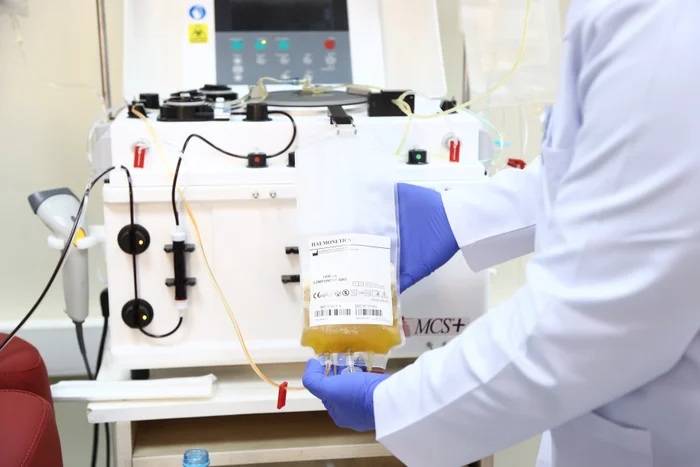
Plasma donation plays a crucial role in treating various medical conditions, making the need for donors more critical than ever. Society faces a plasma crisis as the demand for plasma-based therapies skyrockets.
One plasma donation can save up to three lives, highlighting the far-reaching impact of each individual donor’s contribution. Donating plasma not only saves lives but also supports community health resources.
Eligibility requirements for plasma donation include being at least 18 years old and weighing a minimum of 110 pounds, among other health-related criteria. Many potential donors underestimate their eligibility and should inquire further.
Preparation for plasma donation is essential, with tips including proper hydration, eating a protein-rich meal, and ensuring restful sleep before the appointment. Following these steps enhances the donation experience.
Common myths about plasma donation include misconceptions about pain and safety; in reality, the process is generally quick and safe, with facilities ensuring donor well-being. Awareness of these myths can encourage more people to donate.
Donors can receive compensation for their time, ranging from $20 to $50 per visit, along with other incentives like gift cards and community service credits. The rewards provide both financial and emotional benefits for donors.
Donating plasma fosters a sense of purpose and connection to a larger cause, as each donor’s contribution directly impacts the lives of patients in need. The act of donating can create widespread ripples of change within the community.
The Life-Saving Impact of Your Plasma
Why Plasma Donation Matters More Than Ever
If you think plasma donation is just another medical procedure, think again. This liquid gold plays a crucial role in treatments for various medical conditions, from clotting disorders to immune deficiencies. Society’s need for plasma is skyrocketing, and the truth is, we’re in a bit of a crisis here.
Plasma contains vital proteins that can’t be replicated. It’s harvested and transformed into therapies for patients who desperately need it. So, when people step up to donate plasma, they’re not just giving a fluid; they’re giving hope, life, and a second chance for those in dire need. You’ve got to ask yourself: wouldn’t you want to be a part of that?
- One donation can save up to three lives.
- Continual demand for plasma-based therapies is rising, especially for burn victims and those with chronic illnesses.
- Active donation can bolster your community’s health resources.
Real Stories: How Plasma Donations Saved Lives
You’ve probably heard the phrase “saving lives,” but let’s dive into what it really means. A 27-year-old woman with hemophilia received a life-saving clotting treatment thanks to plasma donations. She had been bedridden, facing debilitating bleeds. After her plasma-derived therapy kicked in, she was back on her feet, reclaiming her life. It’s powerful, isn’t it?
“One donation can change a life, even save it.” — ABO Plasma
Then there’s the tragic story of a child fighting a rare autoimmune disease. With plasma treatments, he not only survived but thrived, transforming into an advocate for others. Each bag of plasma carries stories like these; that’s the real weight of what you’re doing when you donate.
What You Need to Know Before Donating Plasma
Eligibility Requirements: Are You a Fit?
So, before you roll up your sleeve, let’s address the million-dollar question: Are you eligible? Blood centers have an array of rules, and they’re there for a good reason. First off, age matters; typically, you need to be at least 18 years old. Your weight? Must be at least 110 pounds. Those are just the basics.
- You must pass a health screening to ensure you’re fit for donation.
- No recent tattoos or piercings, typically required within the last year.
- Avoid certain infections and conditions like HIV or hepatitis.
But here’s the kicker: people often underestimate their eligibility. You could be that someone who, without knowing it, is golden for donation! It’s worth looking into even if you’ve got doubts.
Preparing for Your Donation: Tips for a Smooth Experience
Preparation goes a long way. Seriously, nobody wants to rock up for a donation feeling like a soggy sock, right? You can set yourself up for success with a few simple strategies. Hydration is key; drink plenty of water beforehand. I’m talking three or four glasses. Your veins will thank you when they’re looking plump and ready.
- Eat a protein-rich meal prior to your appointment.
- Clothing matters: wear sleeves that roll up easily.
- Rest the night before; fatigue can throw a wrench in the process.
Follow these tips, and you’ll glide through the donation like a pro. It’s a sacred act, so treat it with respect.
Plasma Donation Myths Debunked
Is Donating Plasma a Painful Process?
Let’s not kid ourselves—some people think plasma donation is akin to being tortured. Spoiler alert: it’s not. Yes, you’ll feel a needle, but it’s nothing you can’t handle. For most, it’s a quick pinch and you’re done. Some folks even say it’s less painful than giving blood! Don’t let fear dictate your choice. The discomfort is temporary, and remember the lives you could impact. You’re tough. You can do this.
Fact vs. Fiction: Common Misconceptions About Plasma Donation
There’s a buffet of myths swirling around plasma donation, and they can scare people off. Let’s clear some cobwebs. The idea that it’s dangerous? Here’s the deal: donated plasma is vital for a healthy body, and facilities ensure top-notch safety and hygiene protocols. They won’t let you leave if you’re not fit to go.
- Myth: You can’t donate if you’ve had a cold or the flu recently.
- Myth: It takes too much time to donate.
- Myth: Donating plasma prevents your body from creating proteins.
You want the real scoop? Suck it up, those are myths. Trust me, dispelling them can get more people donating, and that’s what we want!
The Rewards of Donating Plasma
Incentives: What’s in It for You?
You think donating plasma is all about altruism? Let’s not overlook the perks. Yes, you save lives, but hey, you also get compensated for your time and effort. Depending on the center, you could snag anywhere from $20 to $50 per visit.
- Some facilities offer bonus rewards for frequent donors.
- You can earn gift cards to popular retailers.
- Your contribution may also count toward community service hours—hello, resumé builders!
Look, it’s not only about altruism. You’re getting something for being a rockstar in your community!
Giving Back: How Your Contribution Changes Lives
Finally, let’s touch on the emotional rewards. Donating plasma gives you a sense of purpose; it connects you to something larger than yourself. You’re giving back in a tangible way. There’s something cathartic about knowing you’re genuinely making a difference. It’s like dropping a stone into a pond — the ripples spread out far and wide. The more donors we have, the more patients can receive therapies that change their lives forever.
“Plasma donation isn’t just a giving act; it’s a life-changing event for both the donor and the recipient.” — ABO Plasma
So next time you think about skipping that appointment, remember the lives that hang in the balance. Your one donation could ignite countless changes. Be the change.
FAQ
Can I donate plasma if I have a medical condition?
It depends on the condition. Certain chronic illnesses might disqualify you, while others won’t. It’s best to check with the donation center regarding your specific situation—don’t assume you’re out just because you have a diagnosis.
How often can I donate plasma?
You can typically donate plasma every 28 days, but this varies by center. Consistent donors can help maintain this vital resource, so if you can, keep that schedule!
What happens to my plasma after I donate it?
Your plasma gets separated from red blood cells and other components to be used for life-saving therapies. It’s shipped to labs where it’s refined into medications like immunoglobulins and clotting factors. That’s where your liquid gold goes—saving lives, one bag at a time.
Are there any side effects after donating plasma?
Most people feel just fine, maybe a bit light-headed or fatigued. Hydrating well can mitigate this. But if you experience extreme fatigue or dizziness, don’t hesitate to seek help—your well-being matters.
Do I need to schedule my donation in advance?
That’s usually a good idea. Many centers allow walk-ins, but calling or booking an appointment can save you from long waits. Plus, it lets you pick a time that fits your schedule. Just plan ahead!
Is there an age limit for plasma donors?
Typically, you need to be at least 18 years old to donate. There’s no upper age limit, but older donors may have to pass additional screenings based on health history. Check with your local center for their specific guidelines.
What should I wear when donating plasma?
Go for something comfy. Short sleeves or loose-fitting clothing helps the healthcare provider access your veins easily. You want to keep it chill and straightforward—no wardrobe malfunctions during a donation!
Can I donate plasma if I’ve had a recent vaccination?
Most centers allow you to donate after vaccinations, but it depends on the vaccine type. Some may require a waiting period. It’s a good idea to check their guidelines to avoid surprises when you show up to donate.